Blue Cave on Vis Island: Everything You Need to Know
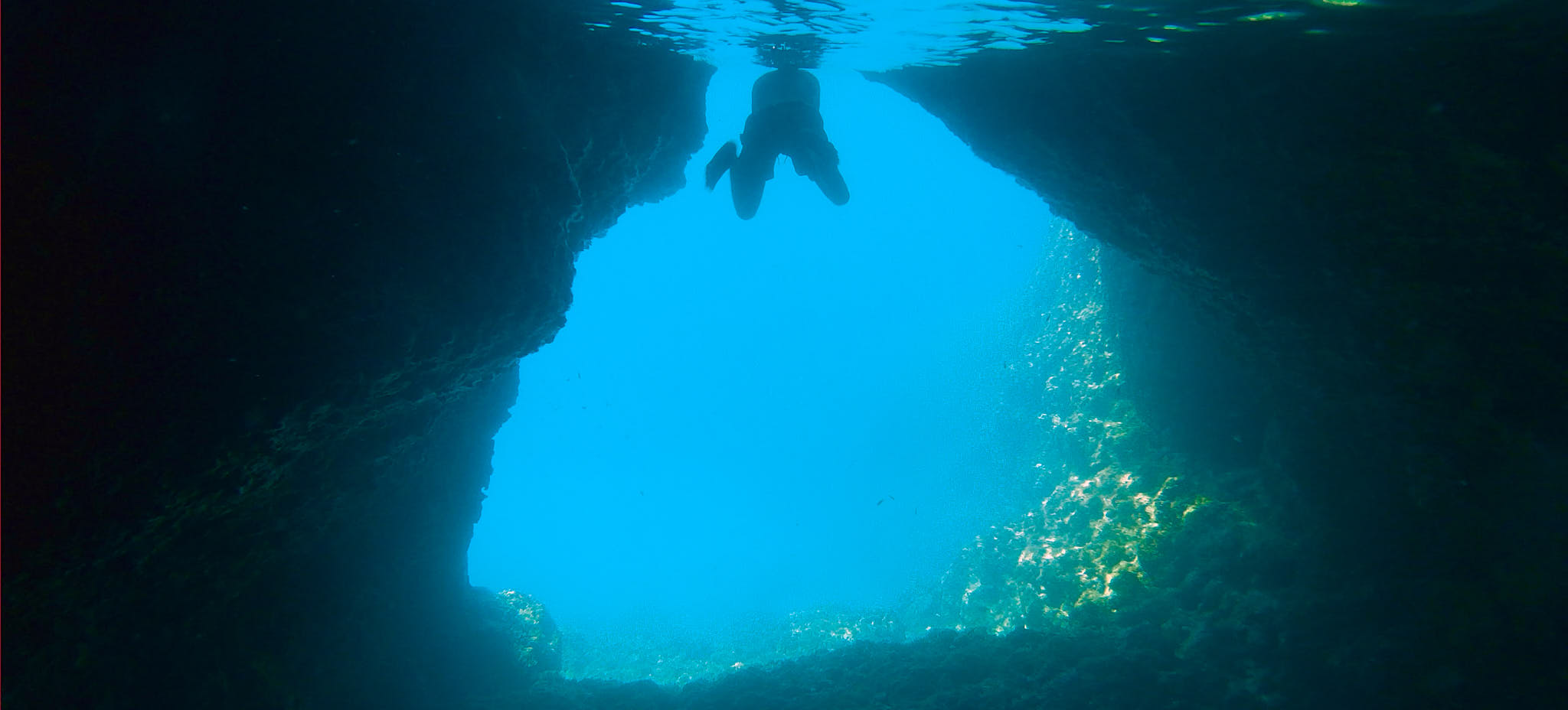
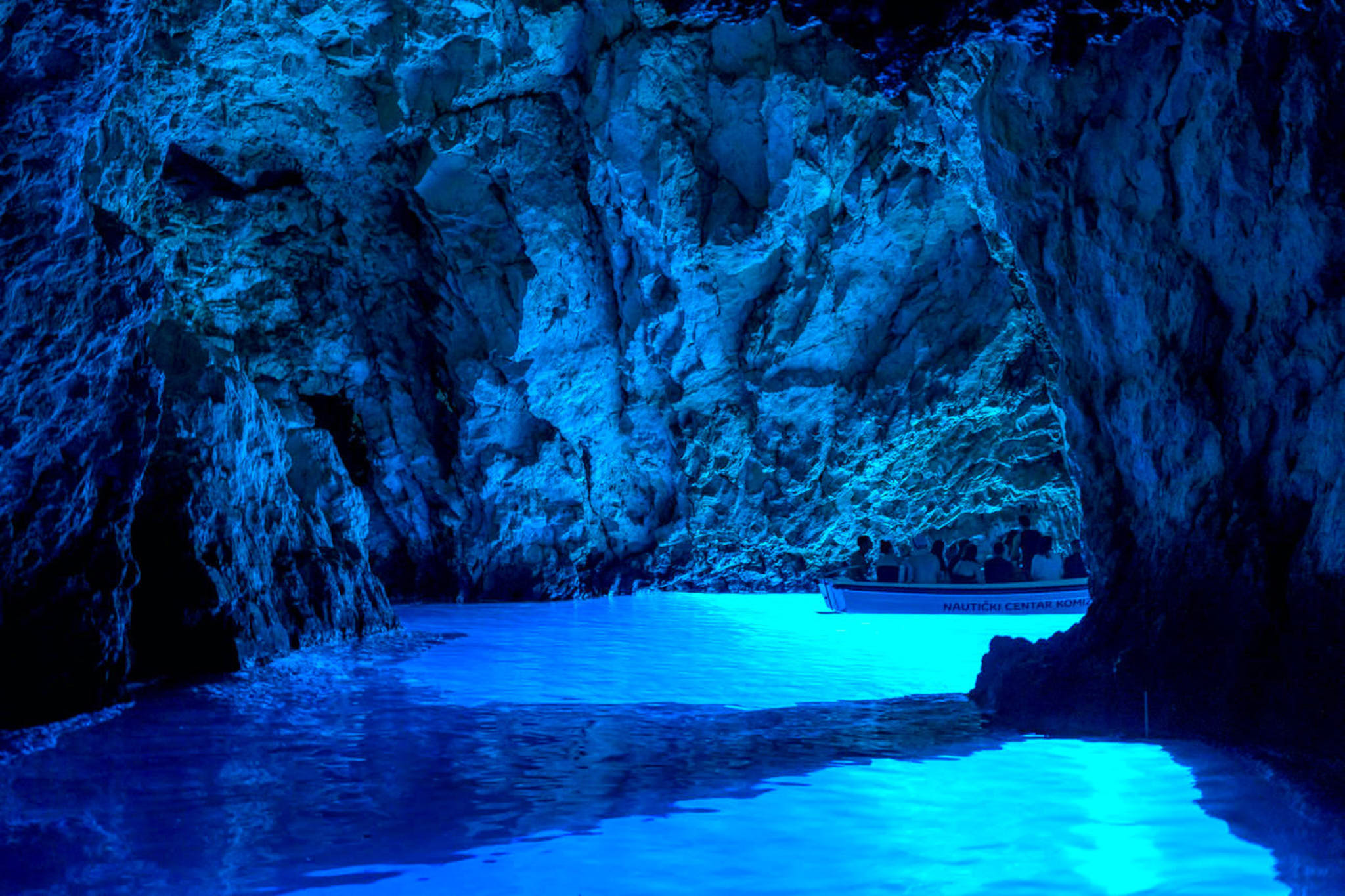
There is a moment inside the Blue Cave when the world turns electric blue. Sunlight enters through an underwater opening in the rock, refracts off the white limestone floor, and fills the entire chamber with a luminous, otherworldly glow. Photography struggles to capture it. You have to see it yourself.
The Blue Cave — Modra Špilja — sits on the small island of Biševo, just off the southwestern tip of Vis. It is Croatia's most iconic sea attraction, and for good reason. Here is everything you need to know before you visit.
What Is the Blue Cave?
The cave is a sea cavern approximately 24 metres long and 12 metres wide, with a ceiling that rises to about 15 metres at its highest point. During the day, sunlight penetrates through an underwater opening at the cave's entrance and reflects off the white sandy bottom, creating the famous blue light effect that has made Biševo one of the most photographed spots in the Mediterranean.
The cave was opened to tourists in 1884, when a local man named Eugen von Ransonnet widened the entrance to allow small boats to enter. Today, access is strictly controlled to protect the cave from overcrowding.
The Best Time to Visit
The blue glow is at its most intense between 10am and noon, when the sun is at the right angle to shine directly through the underwater opening. Arriving outside this window means the light effect is significantly reduced — the cave is still beautiful, but the magic is in the midday sun.
From Makarska, it takes approximately 2.5 to 3 hours by speedboat to reach Biševo, which means an early morning departure is essential to arrive during peak light hours.
How to Enter the Cave
The entrance to the Blue Cave is a low, narrow opening just 1.5 metres high and 2.5 metres wide — small enough that visitors must crouch down in their small boat to pass through. Larger vessels cannot enter; you transfer to a small wooden rowing boat operated by local guides who navigate the entrance with practiced precision.
Inside, you have approximately 10 to 15 minutes to take in the spectacle. Photography without flash gives the best results — the ambient blue light is surprisingly powerful.
What Else to See on Vis Island
The Blue Cave is the headline attraction, but Vis itself is an island worth exploring. Since it was closed to foreign visitors until 1989 — it served as a Yugoslav military base — Vis has retained an authentic, unhurried character that larger, more touristy islands have lost.
Stiniva Cove: One of the most dramatic bays in the Adriatic, accessible only by boat or a steep hiking path. Named one of Europe's best beaches, it sits between two towering limestone cliffs that nearly touch at the entrance.
Komiža: A fishing village on the western coast with colourful boats, a Venetian tower on the harbour, and excellent seafood restaurants. Worth a stop for lunch before heading back.
Green Cave (Zelena Špilja): On the nearby island of Ravnik, the Green Cave offers a similar but less visited experience to the Blue Cave, with a striking emerald light effect through its roof opening.
Practical Tips
Entry to the Blue Cave is managed by local boat operators based in Komiža. There is a per-person entrance fee (currently around €15–20), which covers the transfer from your boat to the cave entrance and back. On busy summer days, queues can form — arriving early gives you the best chance of entering during peak light.
The Adriatic can be rough on the passage to Vis, particularly in strong southerly winds. Check the forecast before departure; a flat sea makes the journey far more comfortable and the cave visit safer.
Planning Your Day Trip from Makarska
A Blue Cave day trip from Makarska is a full-day adventure — typically 10 hours on the water. The standard route combines the Blue Cave, Komiža Town, and Stiniva Cove for a full Vis island experience. Pack sunscreen, a hat, and an adventurous spirirt.
It is, without question, one of the most memorable days you can spend on the Adriatic.